Basic Information
In early 2025, new data on home staging captured a clear trend: properties with well-prepared exteriors, including thoughtful landscaping, consistently sold faster and for more money. The numbers were striking. Many homes gained between 1% and 10% in final offer price when staged, and a significant portion spent fewer days on the market. As buyers sharpen their expectations, the exterior of a home — especially its trees — has become more than a backdrop. It’s an asset with measurable impact.
Researchers have also quantified the economic role of mature trees across the United States, estimating that they contribute tens of billions of dollars to residential property values each year. Street trees, shade canopies, and established landscaping create microclimates, soften architectural lines, and serve as living indicators of neighborhood stability. For homeowners preparing to sell, these quiet giants can function like a hidden equity line.
Why Staging and Landscaping Matter
Staging is no longer confined to throw pillows and accent lighting. Buyers approaching a home within the first ten seconds already have an impression, and that impression is often shaped by the yard — the walkway, the canopy above it, the way the light filters through foliage in late afternoon. The 2025 increase in staging-driven price premiums demonstrates the financial weight of these early moments.
Landscaping acts as the exterior counterpart to interior staging. A well-planned yard works almost like a preface, framing the narrative that the buyer is about to enter. Mature trees emphasize longevity. Fresh mulch signals care. A well-pruned crown suggests maintenance habits that extend indoors. Together, these cues influence buyer confidence, which in turn shapes offer strength.
The Emerging “Tree Premium”
Across multiple metropolitan markets, mature trees have been linked to elevated home values. Some neighborhoods with strong canopy coverage recorded typical premiums of several thousand dollars per property. In cities where urban forestry has been consistently supported, premiums have shown even higher variation.
A large-scale analysis noted that residential trees in the United States contribute more than $30 billion annually to property values. The findings were supported by localized studies, including an example in Portland where homes near well-maintained street trees commanded an average premium exceeding $7,000. Although numbers vary by ZIP code, the pattern repeats: where trees thrive, home values tend to follow.
How Trees Influence Buyer Perception
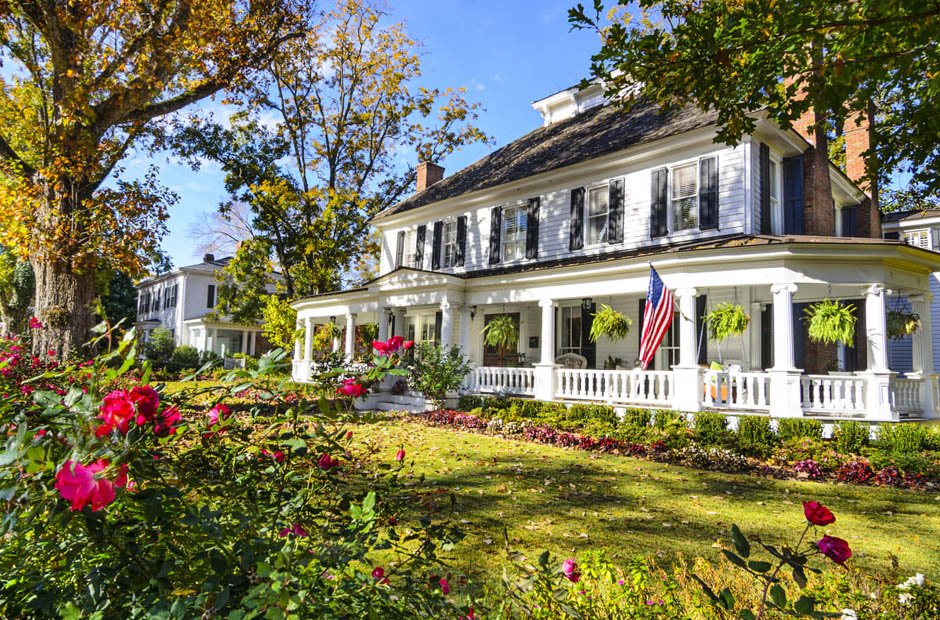
Trees work on both aesthetic and psychological levels. Their presence softens the geometry of built environments. Shade reduces the visual hardness of concrete and siding. A mature trunk rising beside a porch can feel like a sentinel, quietly conveying a sense of permanence. Buyers often describe such homes as “settled” or “well cared for,” even when they can’t articulate why.
Trees also contribute measurable environmental effects. They reduce cooling costs, stabilize soil, and lower neighborhood temperatures. These functional benefits translate into appeal during showings, particularly in hotter months. A shaded walkway or filtered-light entry creates an immediate sensory difference — a cooling effect felt before the front door even opens.
Practical Steps for Home Sellers
Preparing trees for the market requires foresight. Sellers who begin three to six months ahead gain the most from this natural capital.
Three to Six Months Before Listing
- Schedule a professional tree health assessment.
- Complete structural pruning to improve canopy symmetry.
- Remove hazardous limbs or deadwood.
- Apply mulch rings around trunks to create clean visual framing.
- Address soil compaction issues in high-traffic areas of the yard.
One Month Before Listing
- Refresh mulch and ground cover.
- Add seasonal plants to understory areas for color balance.
- Pressure-wash nearby surfaces to highlight contrast.
- Install soft pathway lighting to enhance evening showings.
Week of Listing
- Trim low branches that obscure windows or signage.
- Remove fallen leaves and debris.
- Ensure irrigation schedules keep foliage vibrant without overwatering.
Tree Value Checklist
| Feature | Estimated Cost | Estimated Benefit |
|---|---|---|
| Professional Pruning | $300–$800 | Enhanced canopy structure; improved buyer perception |
| Mulching & Ground Cover | $75–$200 | Cleaner visual lines; healthier root zones |
| Hazard Limb Removal | $150–$500 | Improved safety; stronger inspection outcomes |
| New Tree Planting | $200–$600 | Long-term value increase; added shade |
Leveraging Data to Inform Improvements
Sellers often ask whether tree investments pay back quickly. Data suggests yes, especially when upgrades are completed within the same season as listing. Homes that paired interior staging with exterior enhancements, including mature-tree improvements, secured higher buyer engagement during the first 14 days on market — the window when homes typically receive their strongest offers.
A strategic approach blends maintenance with selective additions. For example, planting one fast-establishing ornamental tree near the entry can shift the way a home photographs, altering its digital presence before a single showing occurs. In an era where buyers scroll listings like storyboards, these images matter.
Integrating Trees Into Staging Plans
Think of your trees as part of the narrative you’re staging. If the interior aims to show potential buyers a life of ease, continuity, and warmth, the exterior should echo that theme. A shaded front path invites visitors like an opening chapter. An artfully pruned tree framing a porch provides rhythm and balance. Visual harmony between indoors and outdoors helps buyers imagine their daily routine flowing across both spaces.
To build this cohesion, many sellers coordinate curb-appeal updates with interior staging timelines. This allows photographers to capture the property when both areas are at peak presentation. Trees, with their height and shape, often anchor these compositions.
Additional Resources
For deeper insights on home staging trends, property-value research, and exterior-upgrade strategies, readers can explore industry reports and academic analyses such as the recent staging findings, urban-forestry valuation studies, and housing-market ROI guides. For a practical example of applying these principles, visit this detailed breakdown on strategic tree-focused staging.